
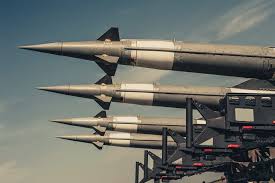
- The Sejjil is a solid-fueled, two-stage medium-range ballistic missile (MRBM) developed by Iran, with an estimated range of 2,000–2,500 km – capable of reaching deep into the Middle East, including Israel.
- Its use of solid fuel allows for quicker launch capabilities compared to liquid-fueled missiles, making it harder to detect and intercept before launch.
- Sejjil variants like Sejjil-2 reportedly include advanced guidance systems and updated sensors, improving target accuracy and mission effectiveness.
- Some projections estimate that if launched from central Iran, the Sejjil could reach key regional targets, including Tel Aviv, in under seven minutes—highlighting the urgency of reliable interception systems.
- On June 18, 2025, Israeli defense systems reportedly intercepted a Sejjil missile – underscoring the real-time demand for layered missile defense readiness in a volatile region.
- Israel’s defense relies on a tiered system: Iron Dome (short range), David’s Sling (medium), and Arrow-3 (long range) – each requiring rapid target acquisition, tracking, and neutralization.
- These systems incorporate high-performance radar (such as AESA), AI-enhanced decision layers, and ultra-fast intercept algorithms, all built on advanced semiconductors.
- Intercepting a missile like the Sejjil requires processors that can withstand high heat, radiation, and rapid movement – typically using ruggedized semiconductors, FPGAs, and precision MEMS sensors.
- On the offensive side, missiles like the Sejjil also depend on microelectronics for inertial navigation, trajectory correction, and warhead detonation timing – reinforcing that even legacy systems are evolving with semiconductor inputs.
- In modern conflict scenarios, every successful launch or intercept is powered by chips – guidance units, data processors, AI cores, and high-speed communications systems are now as critical as the missile or interceptor itself.
Frustrated by rising packaging costs, inconsistent quality, or unresponsive customer support? Unlock cost-effective, high-quality semiconductor packaging solutions for your various package types from advanced architectures like Fan-Out, 2.5D/3D IC, and Chiplet Integration to legacy types like WLCSP, BGA, QFP, SSOP, TSOP, and PDIP. We’re here to support you every step of the way.
- Fill out this brief questionnaire: https://bit.ly/3NdBhGB
- Contact Chuck Olivas at chuck@superpak.com.sg for more info.
Struggling to secure top-tier C-Suite or Professional / Technical talent while key roles stay vacant, KPIs are missed / unmet, productivity stalls, and your team is overwhelmed by misaligned candidates and drawn-out hiring cycles?
TMBS Consulting specializes in the search and placement of Senior Management Team members, seasoned Professionals, and Technical experts, with a proven track record of delivering top-tier talent in manufacturing, engineering, logistics, IT, and finance.
- Share your hiring challenges here: https://bit.ly/43myTXt
- Contact Chuck Olivas at richard.olivas@tmbsconsulting.com – Let’s build your Dream Team.
#semiconductormanufacturing #SemiconductorSolutions #semiconductorjobs #semiconductorgrowth#ExecutiveSearch #LeadershipHiring #StrategicRecruitment #HiringTopTalent #CLevelRecruiting #semiconductors #semiconductorindustry
Iran’s Sejjil missile system represents a significant advancement in ballistic missile technology, providing rapid launch readiness, extended range, and precision strike capability that enhance Iran’s strategic deterrence posture.
Equipped with solid-fuel propulsion and advanced guidance systems, the Sejjil serves as a formidable regional threat, compelling adversaries to adapt their missile defense architectures accordingly.
hashtag#Iran hashtag#SejjilMissile hashtag#defensetechnology hashtag#missiledefense hashtag#electronics hashtag#chipinnovation